
Forty journalists from the North Central, South East and South South geopolitical zones have resolved to make the safety, dignity, privacy and best interests of children central to news gathering and reporting.
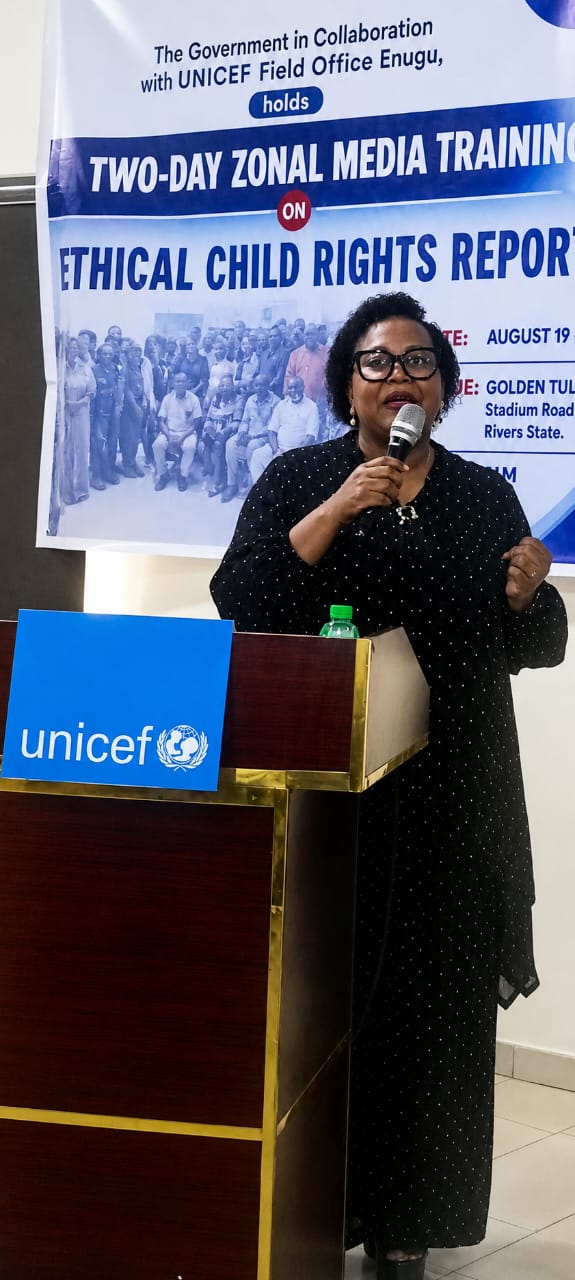
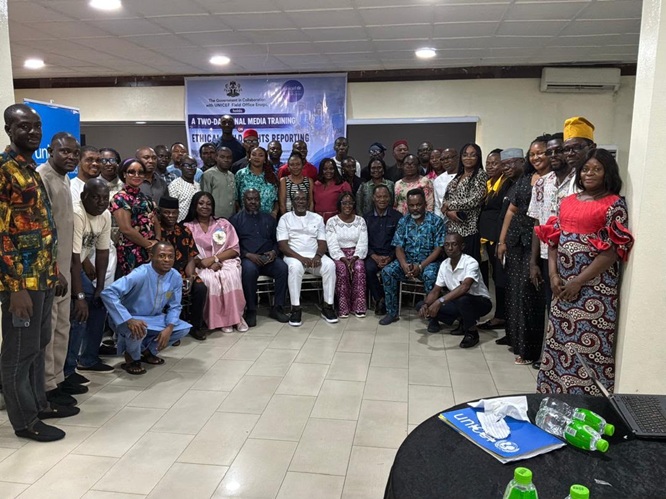
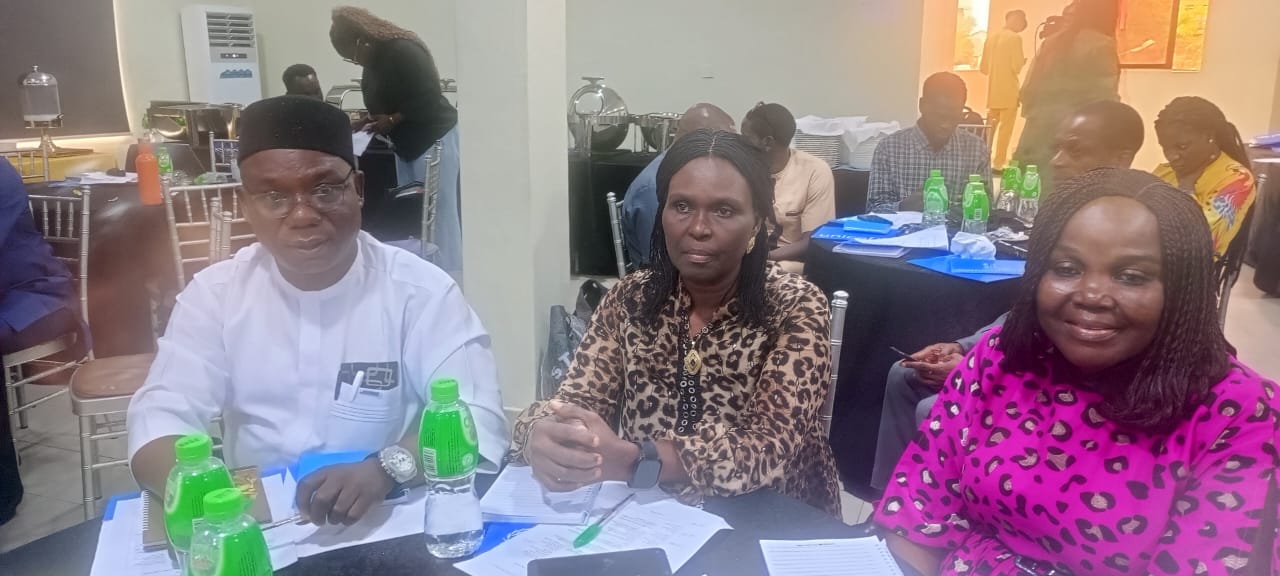
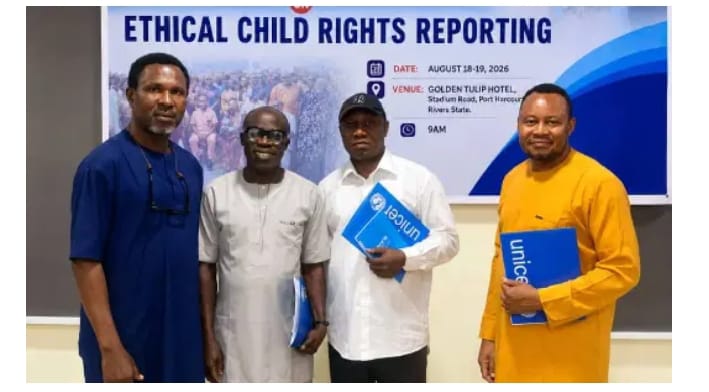
The journalists, drawn from print, broadcast and online media organisations, made the resolution at a two-day national workshop on Ethical Reporting of Children, organised under the auspices of the Child Rights Information Bureau (CRIB) and the United Nations Children’s Fund (UNICEF) in Port Harcourt, Rivers State.
The workshop, which held from August 19 to 20, 2026, focused on strengthening the capacity of journalists to report children’s issues responsibly while adhering to ethical, legal and professional standards.
Participants were trained on a range of issues, including child rights and the role of the media, ethical principles in reporting children’s issues, balancing public interest with child protection, trauma-informed journalism, storytelling that protects and empowers, and the legal and institutional framework governing the reporting of children in Nigeria.
The workshop also examined the responsibilities of print and electronic media and the need for media organisations to develop and implement child-protection policies within their newsrooms.
Facilitators at the workshop included Susan Akila of UNICEF, Temitoye Falayi of CRIB, Dr Geoffrey Njoku of Truevine Communications, former NTA Director Namsel Nimyel, PUNCH journalist Lekan Sote, Lanre Idowu of DAME, Prof. Charles Obot of the University of Uyo and Dr Jide Johnson of the Nigerian Institute of Journalism.
In their resolutions, the journalists stressed that allegations involving children must be reported accurately and should not be presented as established facts until determined by a competent court.
They urged journalists to use appropriate terms such as “alleged” and “accused” where applicable and avoid graphic, sensational or unnecessary details capable of exposing children to further harm, stigma, discrimination or exploitation.
The participants also called on journalists to give priority to the protection, medical care, psychological well-being and access to justice of children involved in sensitive cases.
They cautioned against interviewing children in ways that could cause trauma or re-traumatisation, urging journalists to seek relevant information from appropriate authorities, including the police and recognised child-protection agencies.
The workshop further urged journalists to focus public attention on child protection, institutional response and accountability rather than dwelling unnecessarily on details of alleged sexual abuse or other forms of abuse.
Participants also recommended that media organisations establish dedicated Child Rights Desks in their newsrooms to ensure sustained attention to issues affecting children and promote specialised reporting on children’s rights.
They called on UNICEF to establish a sustained strategic partnership with the Editors’ Guild in Nigeria to strengthen newsroom capacity and ensure institutional commitment to responsible reporting of children.
The journalists also urged UNICEF to expand future training programmes to include media owners, publishers, editors and senior management, noting that their involvement was necessary to institutionalise child-sensitive reporting policies and practices.
They equally recommended continuous capacity-building for journalists, editors and other media professionals in child rights, trauma-informed journalism, digital safety, privacy and Nigeria’s legal framework on reporting children.
The participants expressed appreciation to UNICEF for funding and sponsoring the training and retraining programme, describing it as an important intervention towards strengthening responsible media coverage of children’s issues and promoting their rights.
They also commended the Assistant Director/Head of the Child Rights Information Bureau, Federal Ministry of Information and National Orientation, Abuja, for supporting initiatives aimed at promoting ethical and responsible reporting of children.
The journalists reaffirmed their commitment to journalism that informs, protects and empowers children, stressing that the media has a critical responsibility to amplify children’s voices and expose violations of their rights without turning news coverage into another source of harm.
The workshop ended with a call for journalists and media organisations to ensure that the best interests of the child remain central to every stage of news gathering, production and publication.


